EN | English


Skyhawk’s leadership has deep expertise in RNA splicing and structure, neurology, and Huntington’s disease, as well as computational biology, machine learning, and drug development.

Nonsenderem reicabore sum quis dusaestint Iqui offictate pa quos ni cus quid et pre nonsenderem reicabore sum quis dusaestint.


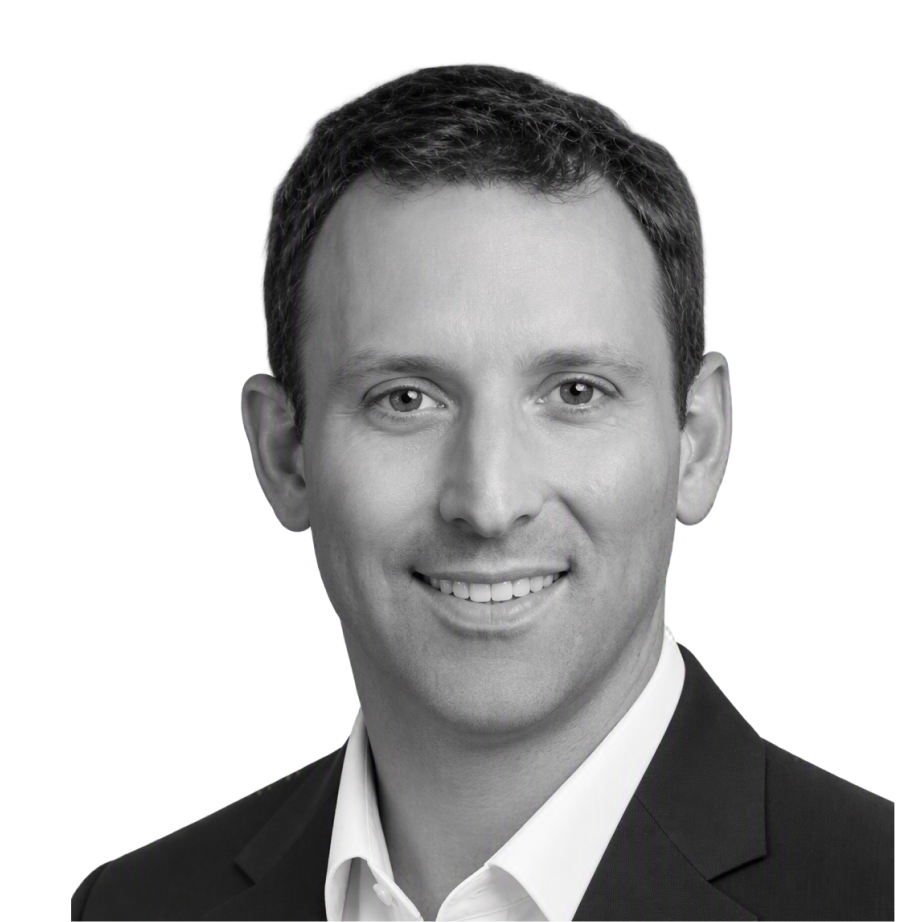
An inventor and entrepreneur, Bill Haney started his first company as a college freshman, inventing and building air pollution control systems for power plants. Since then he has started or helped start more than a dozen technology companies. Bill was a founding member of the national environmental advisory board for the US Environmental Protection Agency, the President's Circle for the National Academy of Sciences, has won a Humanitarian Award from Harvard Medical School, an Achievement Award from the ACLU and serves or has served on boards for Harvard, MIT, State and Federal Government agencies, and the World Resources Institute. Bill holds a BA from Harvard College and was a Kennedy School Fellow from 1997-2001.

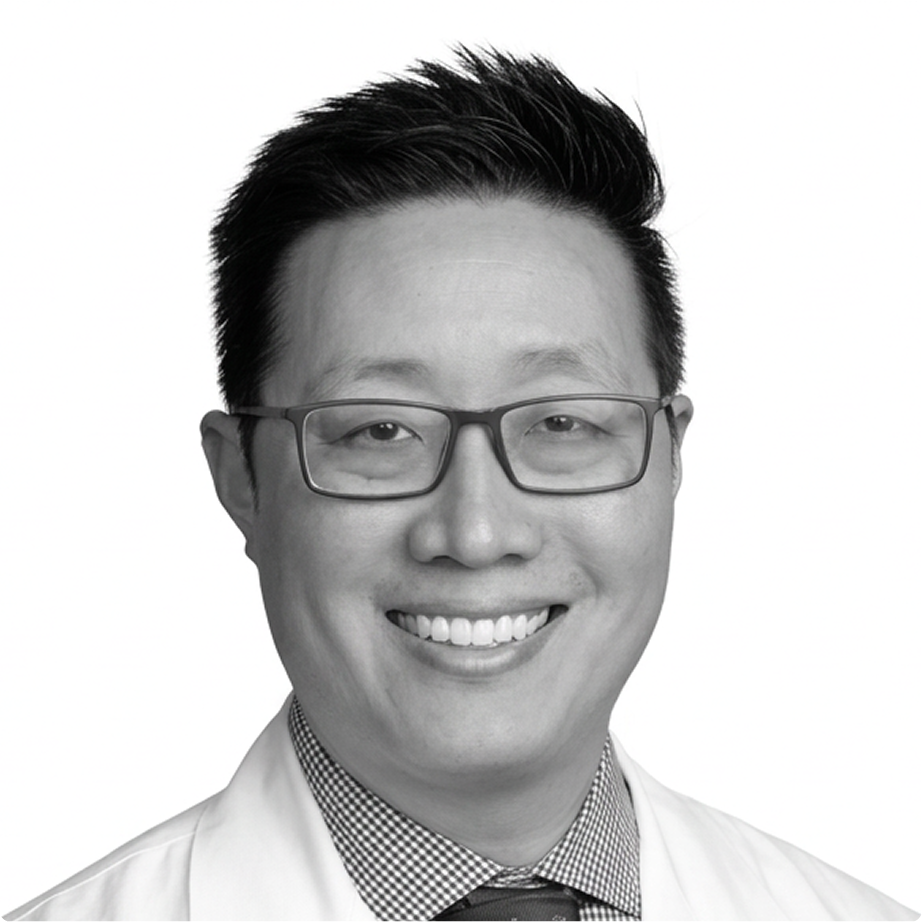
Sergey Paushkin, M.D., Ph.D., is a scientific co-founder of Skyhawk. He has more than 20 years of experience in the discovery and development of small molecules targeting RNA including the first approved small molecule to modulate RNA splicing, Evrysdi (risdiplam), for treatment of Spinal Muscular Atrophy (SMA). Prior to Skyhawk, Sergey was Director of Research at the SMA Foundation, where he managed the Foundation’s drug discovery & development collaborations with pharma, biotech, academic, clinical, and CRO groups to bring first-in-class therapeutics including Evrysdi, Spinraza, Zolgensma to patients. Earlier, at PTC Therapeutics, Sergey started the SMA program; there he also discovered the human tRNA splicing endonuclease complex described in his Cell and Nature publications.
Dr. Paushkin holds a medical degree from Russian State Medical University and PhD in Biochemistry from the Cardiology Research Center, Moscow. His undergraduate research was focused on the molecular bases of prion diseases. Sergey received post-doctoral training from Dr. Gydeon Dreyfuss Laboratory at HHMI/ University of Pennsylvania where he studied the SMN complex, splicing machinery, and RNA binding proteins. He authored many publications in top-tier journals including a publication in Science covering his work on the discovery of risdiplam. He is also a co-editor of the first SMA textbook.

Kathleen is a leading expert in developing small molecules that target RNA-splicing. She has more than 15 years of experience in the discovery and development of small molecules targeting RNA including the first approved small molecule to modulate RNA splicing, Evrysdi (risdiplam), for treatment of Spinal Muscular Atrophy (SMA). Kathleen began her career by co-developing a treatment for Spinal Muscular Atrophy (SMA) as a pre-clinical scientist at the SMA Foundation. In this role she helped bring this first-ever small molecule therapeutic driving mRNA alternative splicing, to clinical trials. The drug candidate was bought by Roche in 2011 and Kathleen moved to Roche to work as a lead pre-clinical scientist. Kathleen first- and last-authored critical papers in the field, including the Science paper (2014) where the SMA small molecule targeting RNA splicing was heralded as a first-in-class small molecule therapeutic that specifically corrects exon skipping, and the Nature Communications paper describing the SMA compound mechanism (2017). Prior to her work in drug discovery and development, Kathleen completed a Fulbright Fellowship at the Swiss Federal Institute of Technology, ETH, and graduated with honors in Chemistry from Wellesley College.